When businesses think about warehouse racking, efficiency and storage capacity usually take center stage. But there’s another factor just as important—compliance with fire codes and insurance requirements. Ignoring these standards can put your people, products, and profits at risk.
Beyond potential safety hazards, non-compliance can lead to denied insurance claims, costly fines, and even the shutdown of operations. Fire spreads quickly in a warehouse, especially when racks are overloaded or improperly designed. Meeting fire codes is more than a box to check, it’s a safeguard for your business’s future.
Why Insurance Companies Care About Warehouse Racking
Insurance companies aren’t just being cautious when they ask for proof that your warehouse racking meets fire code requirements. Their concern is rooted in data. Warehouses with poor compliance have higher rates of fire damage, lost inventory, and liability issues.
If your racking system doesn’t allow proper sprinkler coverage, creates blockages, or fails under pressure, insurers may raise your premiums or refuse coverage altogether. This means your investment could be unprotected at the exact moment you need support most.
Common Fire Code Requirements for Racking Systems
While codes vary by state and local jurisdiction, several requirements are common:
- Sprinkler Access: Warehouse racking must be arranged so fire suppression systems can reach all areas.
- Load Limits: Overloaded racks can collapse during emergencies, blocking exits or crushing equipment.
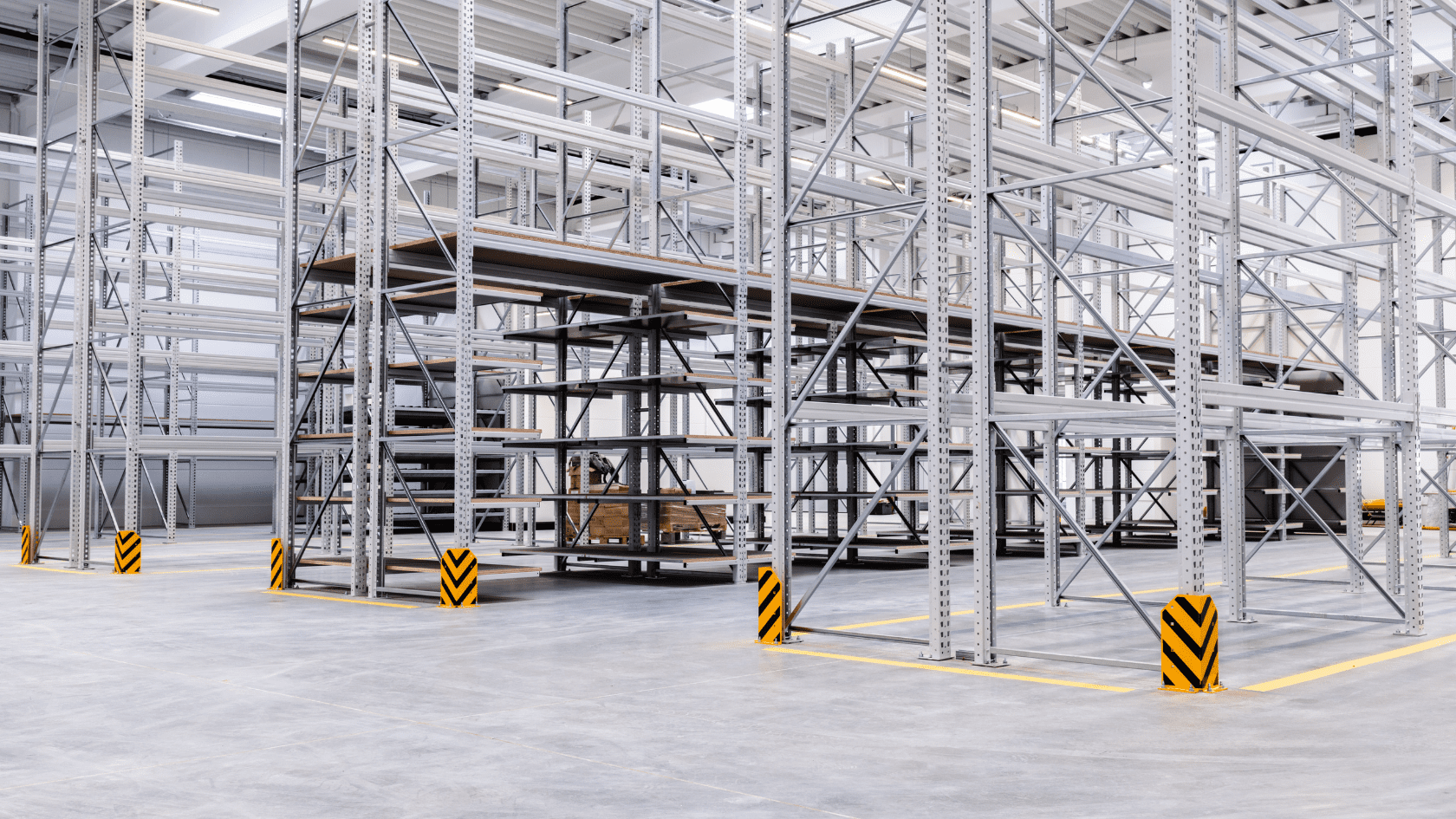
- Flue Spaces: Adequate vertical and horizontal spaces help control fire spread and ensure sprinkler effectiveness.
- Materials Used: Certain finishes or coatings may be restricted to reduce flammability.
Failing to meet these requirements not only risks fines but also jeopardizes employee safety. Staying informed about code updates is an ongoing responsibility.
The Financial Impact of Non-Compliance
The true cost of non-compliance often comes as a surprise. For example:
- Denied Insurance Claims: If your racking setup isn’t compliant, your insurer could deny fire-related claims.
- Higher Premiums: Insurers may increase rates if they see risks in your storage system.
- Operational Downtime: Fixing violations can mean halting operations, leading to lost revenue.
- Reputation Damage: Clients may lose trust if they hear about compliance failures.
The upfront investment in compliant racking pales in comparison to the financial fallout of ignoring fire codes.
Ensuring Safety and Peace of Mind
Beyond insurance and finances, compliance is about peace of mind. Employees who feel safe are more productive. Clients who know their goods are protected trust you more. And leaders who prioritize safety foster stronger, more sustainable businesses.
When your warehouse racking meets fire code insurance requirements, you’re not just avoiding penalties—you’re showing commitment to the well-being of everyone connected to your business.
ProRack Systems: Expert Warehouse Racking
ProRack Systems understands the complexities of warehouse racking and compliance. With expertise in designing and installing systems tailored to safety codes and insurance standards, we help businesses eliminate guesswork. From sourcing the right materials to ensuring proper flue space and sprinkler integration, we deliver solutions that prioritize both safety and efficiency.
Contact us at ProRack Systems today to explore compliant warehouse racking solutions that keep your business secure and future-ready.